
Study: Teens spend hour-plus on their phones at school
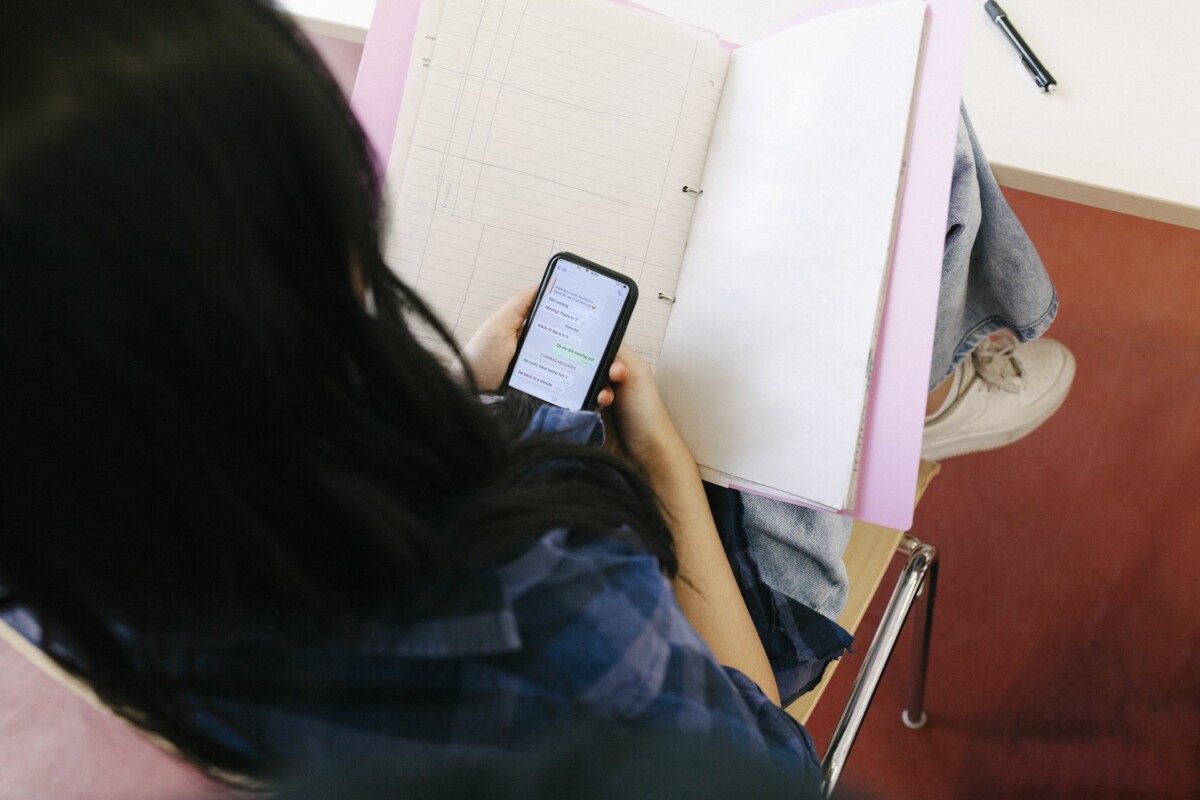
Teens spend an average of 70 minutes on their smartphones during school hours, according to new research published Monday in JAMA.
The study found that students aren’t using their devices for educational purposes, either. Instead, they’re mostly scrolling social media, racking up roughly 30 minutes per day on apps like TikTok, Snapchat, and Instagram. They also game on Roblox and Pokemon GO, as well as watch videos on Netflix and YouTube. By comparison, they spend an average of a minute-and-a-half on productivity- and education-related uses, like Google Docs, the tutoring app Khan Academy, and the homework help app Chegg.
“Phones can support learning, but that’s not how they were mostly used during the school day,” Dr. Jason Nagata, the study’s lead author, told Mashable.
The data were collected from 640 teens ages 13 to 18 participating in a massive longitudinal research effort known as the Adolescent Brain Cognitive Development Study. The teens shared their school’s start time with researchers, who then used a reasonable estimate for the end of the students’ school day.
Instead of surveying the teens, who might not accurately remember their phone habits, the researchers relied on an app installed on each participant’s phone to passively measure uses like social media and gaming apps, internet browsing, and video viewing. A previous smaller study that also measured smartphone activity estimated that students used their phones for an hour-and-a-half during school hours.
Nagata believes the hour-plus that teens spend on their phones at school “inevitably competes with attention to learning.” He also noted that while some phone use may happen during breaks or lunch, that activity could interfere with face-to-face socializing, physical activity, and mental rest.
“Heavy phone use can displace those benefits and reduce opportunities for real-world connection,” Nagata said.
Parents, educators, policymakers, and students themselves have long been concerned about the disruptive role of phones at school, which can exacerbate bullying, burn teachers out, and distract teens from academics.
Nagata said the study provided objective data demonstrating that smartphones remain a significant part of students’ school-day experience.
Since the researchers collected data between 2022 and 2024, they acknowledge that the findings may not reflect more recent phone-free school policies that resulted from increasing political and public momentum for bans and solutions like Yondr pouches. The participants all used Android devices, so the findings may not apply to those with Apple smartphones.
Importantly, the researchers identified risk factors and disparities associated with higher rates of school-time phone use. Students with problematic social media and phone use appeared to spend several more minutes each day on social media and their devices during school hours.
Black students spent 12 to 20 minutes more on their phones daily during school time compared to white participants. Low-income students generally used their phones more during the school day than high-income students.
The researchers didn’t evaluate the reasons for these disparities but suggested they might stem from differences in school environments, which could include class size and school resources.
Dr. Jean Twenge, a psychologist who’s conducted extensive academic research on screen time but was not involved in this study, found the results compelling.
“Some argue that students are using their phones during the school day mostly for educational purposes,” said Twenge, author of 10 Rules for Raising Kids in a High-Tech World: How Parents Can Stop Smartphones, Social Media, and Gaming from Taking Over Their Children’s Lives. “This study provides strong evidence that’s not the case: Adolescents are instead using their phones for entertainment and social media.”